
Is 2026 the new 2016? Why Gen Z is rooting for pop culture reset
Saloni Jha | Jan 07, 2026, 19:49 IST

Gen Z is done with aesthetic perfection and wants the chaotic, low-stakes energy of 2016 back.
Gen Z has officially hit the factory reset button on pop culture. The algorithm has spoken, and it wants 2016 back.
Scroll TikTok for five minutes and you will find it everywhere: chokers layered over band tees, satin bomber jackets reappearing like jump scares, and creators dramatically declaring that life was simply better during the era of Vine humour, the Mannequin Challenge, and unfiltered Instagram selfies. The hashtag #BringBack2016 has taken over feeds, framing 2016 as a cultural sweet spot before everything became too curated, too anxious, and too exhausting.
So the question floating across the internet is obvious: is 2026 quietly becoming the new 2016?
![Pinterest | The hashtag #BringBack2016 has taken over feeds, framing 2016 as a cultural sweet spot before everything became too curated, too anxious, and too exhausting.]()
2016 exists in pop culture memory as a year of chaos, but also freedom. Social media felt unserious. Nobody was chasing “clean girl” perfection or colour-coordinating their lives for an algorithm. Trends happened because they were funny, not because they were monetisable.
This was the era of Vine one-liners, peak Tumblr discourse, messy fandoms, and music that dominated the timeline without needing a thirty-second hook. You could post without thinking about brand alignment. You could be cringe without consequence.
For Gen Z, many of whom were teenagers or pre-teens at the time, 2016 represents a version of the internet that felt playful rather than punishing.
![Freepik | 2016 exists in pop culture memory as a year of chaos, but also freedom. Social media felt unserious. Nobody was chasing “clean girl” perfection or colour-coordinating their lives for an algorithm.]()
The resurgence is not random. After years of aesthetic pressure, soft productivity, and hyper-optimised online personas, fatigue has set in. The “clean girl” era demanded discipline, minimalism, and emotional restraint. It was aspirational, but also exhausting.
#BringBack2016 is a rebellion against polish. It celebrates chaos, maximalism, and emotional mess. Think bold eyeliner instead of glass skin. Think ironic captions instead of motivational quotes. Think posting for fun again.
Creators framing the trend describe 2016 as a time when the internet felt less judgemental and more communal. The nostalgia is not just about fashion. It is about emotional safety online.
![Freepik | For Gen Z, many of whom were teenagers or pre-teens at the time, 2016 represents a version of the internet that felt playful rather than punishing.]()
The revival has a very specific visual language. Chokers are back. Bomber jackets are back. Skinny scarves, Tumblr-era filters, and low-rise drama are creeping back into feeds.
Musically, there is renewed obsession with artists and sounds that dominated mid-2010s playlists. Party anthems, emotional pop, and early SoundCloud energy are resurfacing, replacing the soft, melancholic soundscape of recent years.
Internet behaviour has shifted too. Trends like the Mannequin Challenge are being recreated ironically, while memes have become louder, dumber, and proudly unserious again.
![Freepik | The resurgence is not random. After years of aesthetic pressure, soft productivity, and hyper-optimised online personas, fatigue has set in.]()
At its core, this trend is not about a year. It is about a feeling.
2016 existed before constant global anxiety became the norm. Before burnout was a personality trait. Before every post felt like a performance review. For Gen Z, revisiting that era offers comfort and escapism.
Cultural analysts suggest that nostalgia cycles often appear during periods of uncertainty. When the future feels unstable, people romanticise a time that felt simpler, even if it was not objectively perfect.
2016 is being reframed as a moment before the internet grew up and got mean.
![Freepik | Creators framing the trend describe 2016 as a time when the internet felt less judgemental and more communal. The nostalgia is not just about fashion. It is about emotional safety online.]()
Not exactly. The internet has changed too much for a true rewind. Algorithms are sharper. Audiences are harsher. Virality is monetised.
But the spirit of 2016 is back: lower stakes, louder expression, and less obsession with perfection. Gen Z is not trying to relive the past. They are remixing it into something that feels survivable now.
#BringBack2016 is less about nostalgia and more about rebellion. It is Gen Z rejecting hyper-curation and choosing chaos, humour, and authenticity instead.
If 2016 was the internet before it took itself seriously, 2026 might be the year Gen Z teaches it how to have fun again.
Scroll TikTok for five minutes and you will find it everywhere: chokers layered over band tees, satin bomber jackets reappearing like jump scares, and creators dramatically declaring that life was simply better during the era of Vine humour, the Mannequin Challenge, and unfiltered Instagram selfies. The hashtag #BringBack2016 has taken over feeds, framing 2016 as a cultural sweet spot before everything became too curated, too anxious, and too exhausting.
So the question floating across the internet is obvious: is 2026 quietly becoming the new 2016?
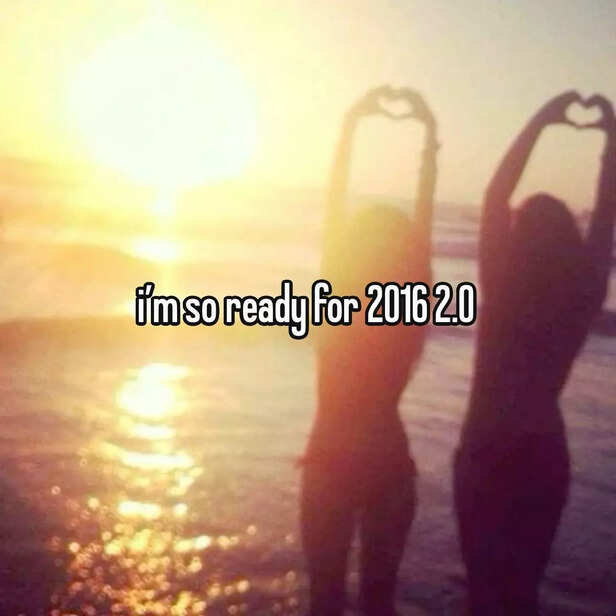
Image credit : Pinterest | The hashtag #BringBack2016 has taken over feeds, framing 2016 as a cultural sweet spot before everything became too curated, too anxious, and too exhausting.
What exactly was 2016 and why does it feel sacred?
This was the era of Vine one-liners, peak Tumblr discourse, messy fandoms, and music that dominated the timeline without needing a thirty-second hook. You could post without thinking about brand alignment. You could be cringe without consequence.
For Gen Z, many of whom were teenagers or pre-teens at the time, 2016 represents a version of the internet that felt playful rather than punishing.
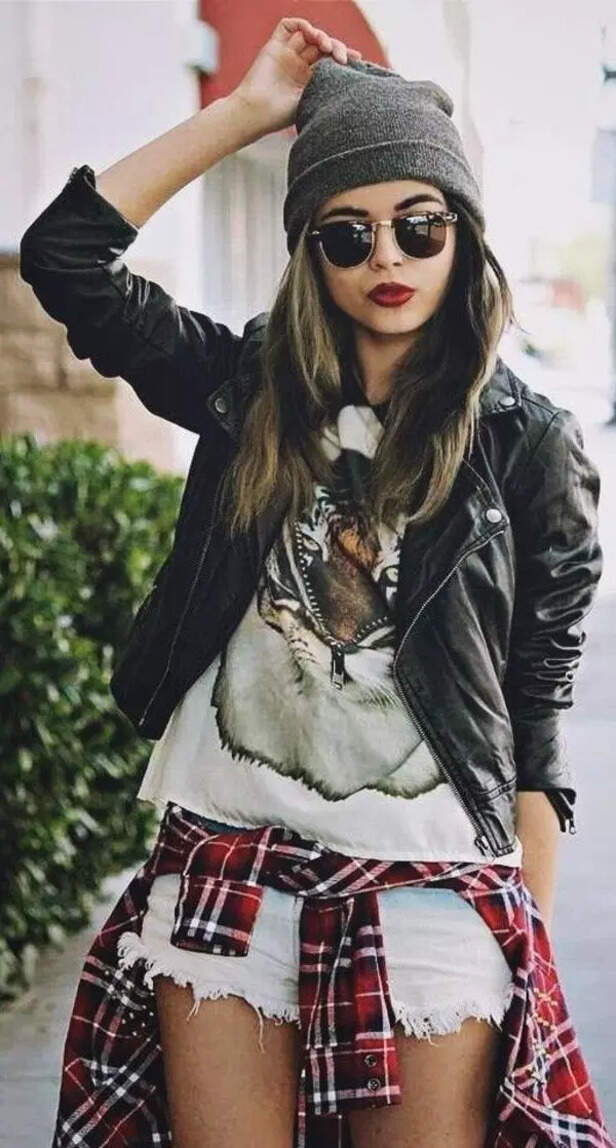
Image credit : Freepik | 2016 exists in pop culture memory as a year of chaos, but also freedom. Social media felt unserious. Nobody was chasing “clean girl” perfection or colour-coordinating their lives for an algorithm.
Why #BringBack2016 is exploding right now
#BringBack2016 is a rebellion against polish. It celebrates chaos, maximalism, and emotional mess. Think bold eyeliner instead of glass skin. Think ironic captions instead of motivational quotes. Think posting for fun again.
Creators framing the trend describe 2016 as a time when the internet felt less judgemental and more communal. The nostalgia is not just about fashion. It is about emotional safety online.
Image credit : Freepik | For Gen Z, many of whom were teenagers or pre-teens at the time, 2016 represents a version of the internet that felt playful rather than punishing.
Fashion, music and internet chaos are leading the charge
Musically, there is renewed obsession with artists and sounds that dominated mid-2010s playlists. Party anthems, emotional pop, and early SoundCloud energy are resurfacing, replacing the soft, melancholic soundscape of recent years.
Internet behaviour has shifted too. Trends like the Mannequin Challenge are being recreated ironically, while memes have become louder, dumber, and proudly unserious again.
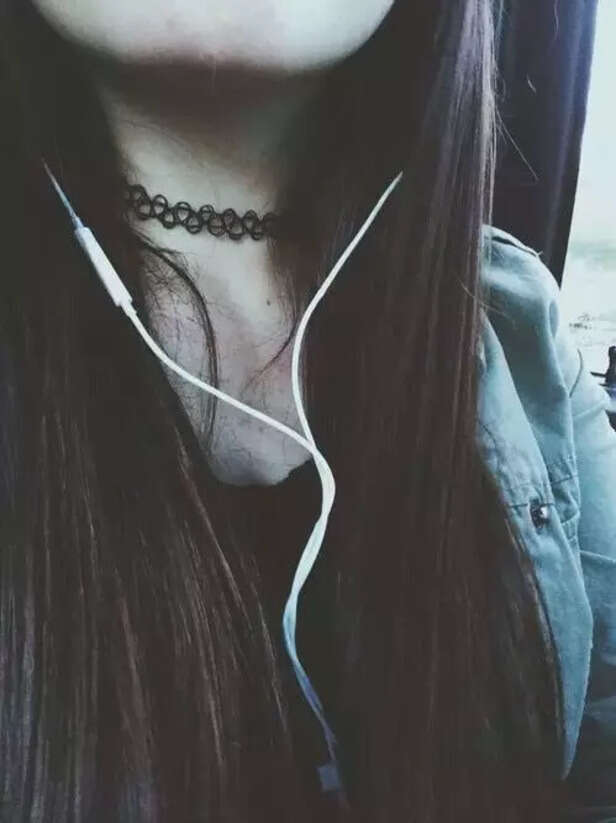
Image credit : Freepik | The resurgence is not random. After years of aesthetic pressure, soft productivity, and hyper-optimised online personas, fatigue has set in.
Why Gen Z wants 2016 back emotionally
2016 existed before constant global anxiety became the norm. Before burnout was a personality trait. Before every post felt like a performance review. For Gen Z, revisiting that era offers comfort and escapism.
Cultural analysts suggest that nostalgia cycles often appear during periods of uncertainty. When the future feels unstable, people romanticise a time that felt simpler, even if it was not objectively perfect.
2016 is being reframed as a moment before the internet grew up and got mean.
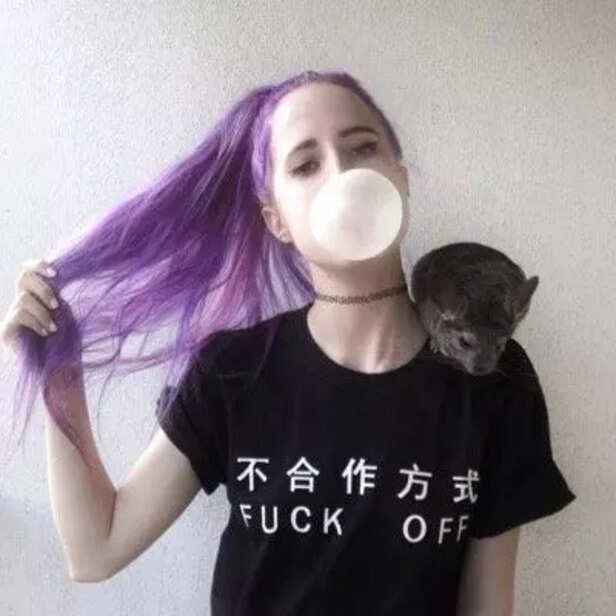
Image credit : Freepik | Creators framing the trend describe 2016 as a time when the internet felt less judgemental and more communal. The nostalgia is not just about fashion. It is about emotional safety online.
Is 2026 really the new 2016?
But the spirit of 2016 is back: lower stakes, louder expression, and less obsession with perfection. Gen Z is not trying to relive the past. They are remixing it into something that feels survivable now.
#BringBack2016 is less about nostalgia and more about rebellion. It is Gen Z rejecting hyper-curation and choosing chaos, humour, and authenticity instead.
If 2016 was the internet before it took itself seriously, 2026 might be the year Gen Z teaches it how to have fun again.
K-pop idols slated for military discharge in 2026
By Karen Noronha

McDonald’s made protein cheesy and unmissable
By Saloni Jha

Why your Instagram likes are suddenly down in 2026
By Saloni Jha

How K-pop idols turned video games into their global stage
By Karen Noronha

Top 6 nail trends defining 2026 every mood
By Saloni Jha

How 2016 fashion trends are back in 2026
By Saloni Jha

How K-pop idols turn winter layering into a style statement
By Karen Noronha
