

Elon Musk’s ‘10X Safer’ Tesla FSD claim sparks debate; limited transparency and lawsuits raise concerns over safety claims
Nancy Jaiswal | Apr 09, 2026, 20:09 IST
Elon Musk’s claim that Tesla’s Full Self-Driving is up to 10 times safer than human driving is under scrutiny. Limited public data, comparison gaps, and ongoing lawsuits have raised questions about how accurately the system’s real-world safety can be assessed.

Image credit : Indiatimes | Musk’s Tesla FSD safety claim faces scrutiny
Elon Musk has stated that Tesla’s Full Self-Driving (FSD) system could be significantly safer than human drivers, suggesting it may reduce global crash-related deaths by as much as 90 percent. He has also described the system as potentially being up to ten times safer. However, these claims are being examined closely due to the limited availability of supporting public data and ongoing legal challenges related to the technology.
Musk has argued that Tesla’s self-driving systems are already contributing to improved road safety. He also noted that even if the technology reduces the number of accidents, the company may still face lawsuits linked to the remaining incidents. His remarks followed a widely circulated case in which a Tesla vehicle reportedly avoided a pedestrian while operating with FSD enabled.
Tesla’s publicly available safety data is primarily released through its quarterly Vehicle Safety Report. This report compares miles driven using Autopilot or FSD with national averages provided by the US National Highway Traffic Safety Administration.
![Musk’s Tesla FSD safety claim faces scrutiny]() However, critics have raised concerns about whether this comparison accurately reflects real-world safety performance. One issue highlighted is that Tesla’s driver-assistance systems are often used on highways, which generally have lower accident rates compared to urban or rural roads included in national data.
However, critics have raised concerns about whether this comparison accurately reflects real-world safety performance. One issue highlighted is that Tesla’s driver-assistance systems are often used on highways, which generally have lower accident rates compared to urban or rural roads included in national data.
Another factor is that Tesla vehicles are typically newer and equipped with modern safety features. These elements alone can contribute to lower crash rates, independent of the FSD system. Variations in driver demographics and differences in how accidents are recorded further complicate direct comparisons between Tesla’s data and national statistics.
Experts have pointed out that Tesla does not release detailed datasets that could provide a clearer understanding of system performance. Information such as disengagement rates, breakdowns of crash severity, and usage across different road types is not publicly disclosed.
![Elon Musk has stated that Tesla’s Full Self-Driving (FSD) system could be significantly safer]() This lack of transparency has been contrasted with approaches taken by other companies. For example, firms like Waymo have published more detailed safety analyses, including peer-reviewed studies and benchmarks that allow for clearer comparisons.
This lack of transparency has been contrasted with approaches taken by other companies. For example, firms like Waymo have published more detailed safety analyses, including peer-reviewed studies and benchmarks that allow for clearer comparisons.
Without access to comparable datasets, analysts say it remains difficult to independently verify claims regarding the safety advantages of Tesla’s FSD system.
The discussion around Tesla’s FSD safety claims is also shaped by ongoing legal cases in the United States. Several lawsuits allege that Tesla’s driver-assistance systems may have played a role in accidents. These claims include concerns about potential system errors as well as the possibility that branding such as “Full Self-Driving” could encourage over-reliance by drivers.
![Tesla’s claims reflects wider challenges in the autonomous driving sector]()
These legal developments add another dimension to the debate, as they raise questions about both the technology itself and how it is presented to users.
At the same time, Musk maintains that the broader impact of FSD could still lead to a significant reduction in road fatalities. The contrast between this position and the concerns raised by critics highlights the complexity of evaluating emerging vehicle technologies.
The scrutiny of Tesla’s claims reflects wider challenges in the autonomous driving sector. Measuring safety performance requires consistent data, comparable benchmarks, and transparent reporting practices.
As companies continue to develop advanced driver-assistance systems, the availability of detailed and verifiable data will play a key role in shaping public trust and regulatory responses.=
Tesla’s FSD safety claims remain under scrutiny as data limitations, comparison challenges, and legal cases continue to shape the ongoing debate.
Musk has argued that Tesla’s self-driving systems are already contributing to improved road safety. He also noted that even if the technology reduces the number of accidents, the company may still face lawsuits linked to the remaining incidents. His remarks followed a widely circulated case in which a Tesla vehicle reportedly avoided a pedestrian while operating with FSD enabled.
Limited data and safety reporting
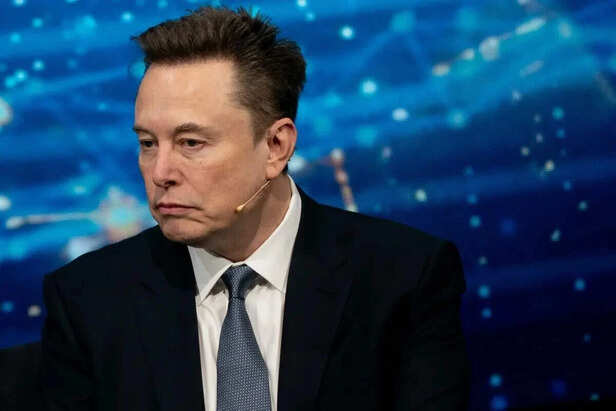
Image credit : X/ElonMuskAOC | Musk’s Tesla FSD safety claim faces scrutiny
Another factor is that Tesla vehicles are typically newer and equipped with modern safety features. These elements alone can contribute to lower crash rates, independent of the FSD system. Variations in driver demographics and differences in how accidents are recorded further complicate direct comparisons between Tesla’s data and national statistics.
Missing datasets and transparency concerns
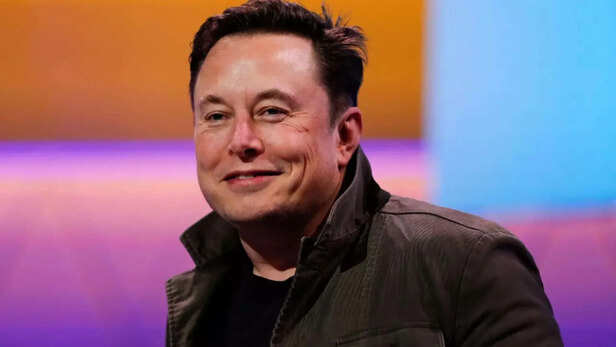
Image credit : X/ElonMuskAOC | Elon Musk has stated that Tesla’s Full Self-Driving (FSD) system could be significantly safer
Without access to comparable datasets, analysts say it remains difficult to independently verify claims regarding the safety advantages of Tesla’s FSD system.
Legal challenges and ongoing debate
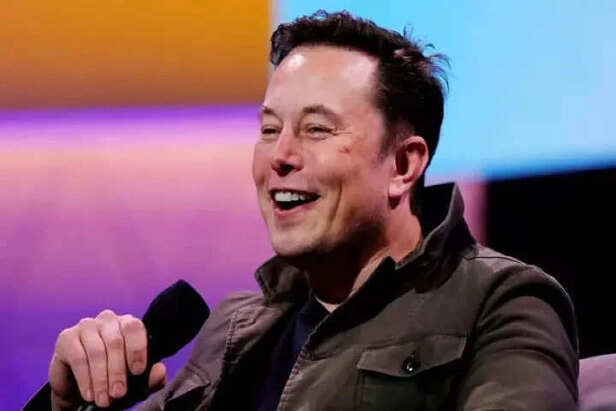
Image credit : X/ElonMuskAOC | Tesla’s claims reflects wider challenges in the autonomous driving sector
These legal developments add another dimension to the debate, as they raise questions about both the technology itself and how it is presented to users.
At the same time, Musk maintains that the broader impact of FSD could still lead to a significant reduction in road fatalities. The contrast between this position and the concerns raised by critics highlights the complexity of evaluating emerging vehicle technologies.
Broader implications for autonomous driving
As companies continue to develop advanced driver-assistance systems, the availability of detailed and verifiable data will play a key role in shaping public trust and regulatory responses.=
Tesla’s FSD safety claims remain under scrutiny as data limitations, comparison challenges, and legal cases continue to shape the ongoing debate.

Who is Vaishali Rameshbabu?
By Sneha Kumari

Why guochao cultural is the new cool for us
By Saloni Jha

Taylor Swift praises Dakota Johnson’s honesty
By Nancy Jaiswal

When care sounds like control: What does 'Guilt-Tripping' really mean?
By Sneha Kumari

Is seagulling the new situationship for us?
By Saloni Jha

US tightens Iran blockade, repeats nuclear warning
By Nancy Jaiswal

Ridhi Dogra serves quiet baddie energy, calls Gen Z fashion the real trendsetter
By Sneha Kumari


