

Gen Z’s latest obsession: Listening to Kun Faya Kun at Hazrat Nizamuddin Dargah - Here’s how to experience it
Iraa Paul | Apr 15, 2026, 09:38 IST
Planning to attend qawwali at Hazrat Nizamuddin Dargah? Here are the Thursday timings, best arrival tips, and what to expect.

Image credit : Pinterest | Much of this experience is brought to life by traditional performers like the Nizami Bandhu
In a world ruled by streaming apps and viral audio clips, Gen Z is embracing something far more soulful, live qawwali. At the center of this growing trend is the iconic song Kun Faya Kun, now becoming a must-experience moment at Hazrat Nizamuddin Dargah.
Originally featured in Rockstar and composed by A. R. Rahman, the song has taken on a new life beyond screens. Young visitors are heading to the historic shrine not just to hear music, but to immerse themselves in an atmosphere that feels deeply spiritual and grounding.
![Gen Z’s latest obsession: Listening to Kun Faya Kun at Hazrat Nizamuddin Dargah - Here’s how to experience it]()
For a generation constantly plugged into digital noise, the appeal lies in authenticity. The qawwali sessions at Nizamuddin aren’t polished performances, they’re raw, emotional, and unpredictable. Sitting in the dargah courtyard, surrounded by rhythmic claps and powerful vocals, creates a connection that no playlist can replicate.
The song itself carries spiritual weight, inspired by Sufi philosophy, and when performed live, it becomes less of a track and more of a shared experience. Many describe it as calming, almost meditative, something that offers a rare pause from fast-paced city life.
![Gen Z’s latest obsession: Listening to Kun Faya Kun at Hazrat Nizamuddin Dargah - Here’s how to experience it]()
Much of this experience is brought to life by traditional performers like the Nizami Bandhu, who have been singing at the dargah for generations. Their performances blend devotion with storytelling, drawing listeners into a collective emotional space.
What makes it even more special is the inclusivity. People from different walks of life sit together, united by music and faith, creating a sense of community that feels increasingly rare today.
![Gen Z’s latest obsession: Listening to Kun Faya Kun at Hazrat Nizamuddin Dargah - Here’s how to experience it]()
If you’re planning to soak in the soulful qawwali at Hazrat Nizamuddin Dargah, timing is crucial, especially on Thursdays, when the main sessions take place. The qawwali typically happens in two slots: the first from 6:00 PM to 7:30 PM and the second from 9:00 PM to 10:30 PM. Since these performances are aligned with the Maghrib (sunset) and Isha (night) prayers, timings can shift slightly depending on the season. To make the most of your visit, it’s best to arrive between 5:30 PM and 6:00 PM for the first session, or around 8:30 PM for the second, which is often more crowded and offers a more intense, immersive atmosphere.
If you’re planning to be part of this growing trend, here’s how to make the most of it:
Thursday evenings are when the qawwali sessions are at their peak. The energy is vibrant, and you’re more likely to hear popular renditions, including Kun Faya Kun.
The lanes leading to the dargah can get crowded. Reaching before sunset gives you a better chance to find a comfortable spot.
Since it’s a religious site, modest clothing is essential. Carrying a scarf is a good idea, especially for covering your head inside the shrine.
While it’s tempting to record videos, the real essence lies in being present. Let yourself absorb the music without distractions.
Remove your shoes before entering, follow local customs, and be mindful of the sanctity of the environment.
What may seem like a Gen Z trend is actually a rediscovery of a centuries-old Sufi tradition. Hazrat Nizamuddin Dargah has long been a hub of spiritual music, where qawwali serves as a bridge between the divine and the human.
In a fast-moving world, this experience offers something rare, stillness, connection, and a sense of belonging.
And perhaps that’s why Kun Faya Kun isn’t just being heard again, it’s being felt like never before.
Originally featured in Rockstar and composed by A. R. Rahman, the song has taken on a new life beyond screens. Young visitors are heading to the historic shrine not just to hear music, but to immerse themselves in an atmosphere that feels deeply spiritual and grounding.

Image credit : Pinterest | What makes it even more special is the inclusivity
Why this experience resonates with Gen Z
The song itself carries spiritual weight, inspired by Sufi philosophy, and when performed live, it becomes less of a track and more of a shared experience. Many describe it as calming, almost meditative, something that offers a rare pause from fast-paced city life.
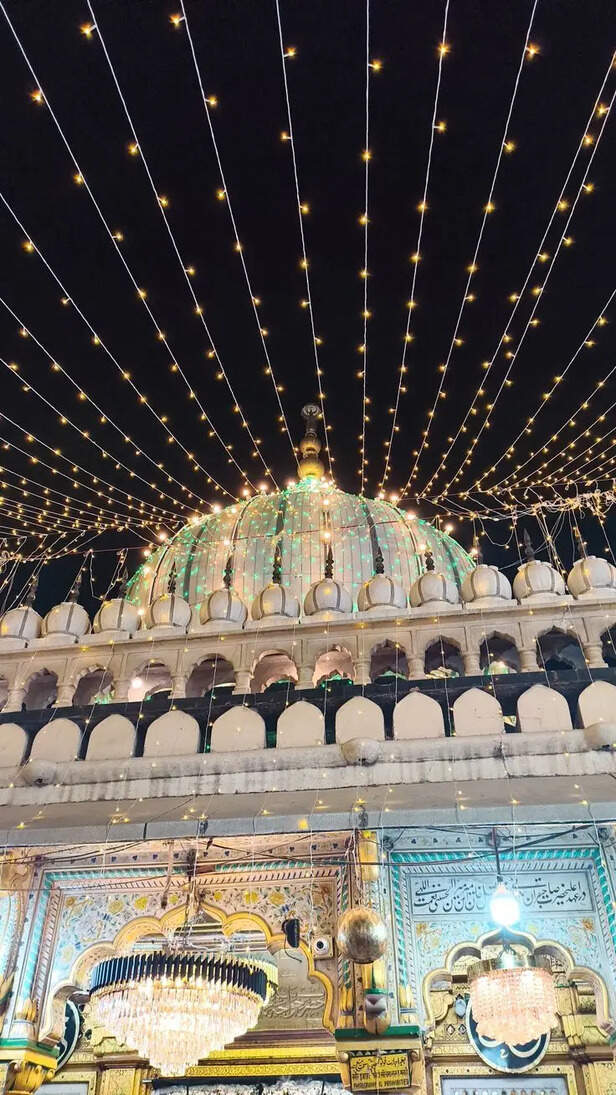
Image credit : Pinterest | The song itself carries spiritual weight, inspired by Sufi philosophy
The magic of live qawwali
What makes it even more special is the inclusivity. People from different walks of life sit together, united by music and faith, creating a sense of community that feels increasingly rare today.
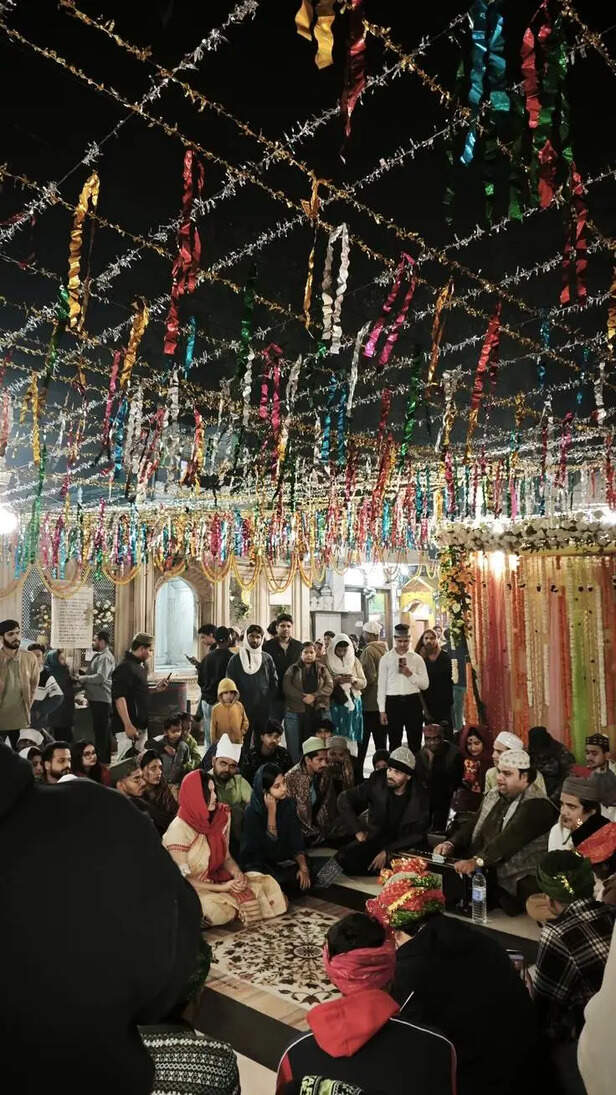
Qawwali timings at Dargah Hazrat Nizamuddin Aulia
How to experience it yourself
1. Visit on a Thursday
2. Arrive early
3. Dress appropriately
4. Stay in the moment
5. Respect the space
More than just a viral trend
In a fast-moving world, this experience offers something rare, stillness, connection, and a sense of belonging.
And perhaps that’s why Kun Faya Kun isn’t just being heard again, it’s being felt like never before.

Who is Camila the Imp? VTuber faces backlash after emotional stream about Lebanon bombings, netizens ask 'authenticity' of the viral claims
By Nillohit Bagchi

Texas Republican Tony Gonzales' political career in crisis
By Karen Noronha

Manchester City fan 'drinking Arsenal tears' clip goes viral as Arsenal’s title race form sparks fresh collapse fears before Etihad clash
By Supratik

Who is Olaolukitan Adon Abel? Suspect in 40-yr-old Lauren Bullis killing tied to multiple random shootings across DeKalb County
By Nillohit Bagchi

Was Millie Bobby Brown’s departure the final blow for Netflix’s Perfect
By Simran Guleria

Has Vladimir Putin’s alleged daughter been living a quiet life in Paris as a DJ?
By Simran Guleria

'It feels like a creepy fetish': Sydney Sweeney’s Cassie sparks outrage over alleged assault scene in Euphoria Season 3 amid OnlyFans arc controversy
By Nillohit Bagchi


