

Elon Musk South Africa controversy: Starlink licence standoff over race policy escalates—will regulations stall entry indefinitely? Details here
Nancy Jaiswal | Apr 15, 2026, 10:19 IST
Elon Musk has criticised South Africa’s ownership laws, linking them to delays in Starlink’s launch. The government has defended its framework, stating companies must comply. The dispute highlights tensions between regulatory policy and foreign business operations.

Image credit : Indiatimes | Elon Musk vs South Africa: Starlink licensing row
Tech billionaire Elon Musk has criticised South Africa’s race-based ownership framework, linking it to delays in launching his satellite internet service, Starlink, in his country of birth. The remarks triggered a response from South African officials, who indicated that companies must follow local regulations or consider operating in other markets.
The disagreement centres on South Africa’s Broad-Based Black Economic Empowerment policy. Introduced after the end of Apartheid in 1994, the framework aims to address economic disparities by promoting participation from historically disadvantaged groups, including Black South Africans, women, and people with disabilities.
![Elon Musk has criticised South Africa’s ownership laws]() Under the country’s Electronic Communications Act, companies seeking telecom licences are generally required to ensure at least 30 percent ownership by these groups. This requirement applies to foreign-owned firms, including Starlink. Compliance is assessed across several areas such as ownership structure, management participation, skills development, and enterprise development. Companies that do not meet the thresholds may be denied licences, regardless of technical or financial readiness.
Under the country’s Electronic Communications Act, companies seeking telecom licences are generally required to ensure at least 30 percent ownership by these groups. This requirement applies to foreign-owned firms, including Starlink. Compliance is assessed across several areas such as ownership structure, management participation, skills development, and enterprise development. Companies that do not meet the thresholds may be denied licences, regardless of technical or financial readiness.
Musk, who was born in Pretoria in 1971, raised concerns about the policy in a series of posts on X. He described the regulations as “openly racist” and claimed they were preventing Starlink from being licensed.
![Tech billionaire Elon Musk has criticised South Africa’s race-based ownership framework]() In one post dated April 12, Musk stated that South Africa would not approve Starlink because he is not Black. He also alleged that officials had repeatedly suggested a way to bypass the requirements by presenting a Black executive as the head of the local operation. Musk said he rejected this approach, describing it as a bribe and stating that he would not support such a method.
In one post dated April 12, Musk stated that South Africa would not approve Starlink because he is not Black. He also alleged that officials had repeatedly suggested a way to bypass the requirements by presenting a Black executive as the head of the local operation. Musk said he rejected this approach, describing it as a bribe and stating that he would not support such a method.
He further characterised the laws as “evil” and called for international sanctions against those supporting them. Musk has previously referenced his South African origins in his criticism of the policy.
Reports note that Musk left South Africa around the end of the Apartheid era. He has also made claims in the past about an alleged “genocide” against white people in the country. These claims have been described as unsubstantiated and were echoed by Donald Trump, who stated last year that “terrible things are happening in South Africa.” The United States also offered expedited refugee status to White Afrikaners, citing similar concerns, including claims about land seizures.
South African authorities have responded to Musk’s criticism by reiterating their position on compliance. Presidential spokesperson Vincent Magwenya indicated that the country is not prepared to adjust its regulatory framework to accommodate a single company.
![Musk’s criticism by reiterating their position on compliance]() He noted that there are 193 member states in the United Nations and suggested that businesses have multiple markets to consider if they choose not to comply with local laws. His remarks were interpreted as a signal that Starlink must either meet the requirements or explore opportunities elsewhere.
He noted that there are 193 member states in the United Nations and suggested that businesses have multiple markets to consider if they choose not to comply with local laws. His remarks were interpreted as a signal that Starlink must either meet the requirements or explore opportunities elsewhere.
Another official, Clayson Monyela, pointed out that more than 600 United States companies operate in South Africa successfully by adhering to the same regulations. This was presented as evidence that compliance with the legal framework is achievable for foreign businesses.
The situation reflects a broader tension between regulatory policy and international business operations. While Musk has criticised the ownership requirements, the South African government has maintained that the rules are designed to address historical inequalities and apply equally to all companies.
As a result, Starlink’s entry into the South African market remains uncertain. The outcome will depend on whether the company chooses to align with the existing framework or pursue opportunities in other regions.
Dispute over ownership rules and licensing
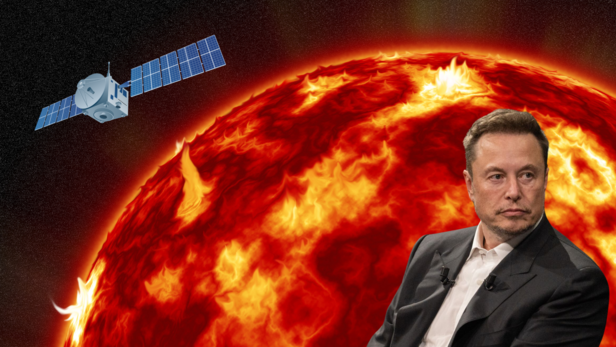
Image credit : X/ElonMuskAOC | Elon Musk has criticised South Africa’s ownership laws
Musk ’s allegations and public statements
Image credit : X/ElonMuskAOC | Tech billionaire Elon Musk has criticised South Africa’s race-based ownership framework
He further characterised the laws as “evil” and called for international sanctions against those supporting them. Musk has previously referenced his South African origins in his criticism of the policy.
Context and previous claims
Government response and regulatory position
Image credit : X/ElonMuskAOC | Musk’s criticism by reiterating their position on compliance
Another official, Clayson Monyela, pointed out that more than 600 United States companies operate in South Africa successfully by adhering to the same regulations. This was presented as evidence that compliance with the legal framework is achievable for foreign businesses.
Ongoing standoff over market entry
As a result, Starlink’s entry into the South African market remains uncertain. The outcome will depend on whether the company chooses to align with the existing framework or pursue opportunities in other regions.

Why going to the movies still matters for Gen Z in the TikTok era
By Sneha Kumari

How the bedazzling trend is taking over Gen Z aesthetics
By Saloni Jha

Kun Faya Kun at Hazrat Nizamuddin Dargah - how to experience it
By Iraa Paul

Who is Camila the Imp? VTuber faces backlash after emotional stream about Lebanon bombings, netizens ask 'authenticity' of the viral claims
By Nillohit Bagchi

Texas Republican Tony Gonzales' political career in crisis
By Karen Noronha

Manchester City fan 'drinking Arsenal tears' clip goes viral as Arsenal’s title race form sparks fresh collapse fears before Etihad clash
By Supratik

Who is Olaolukitan Adon Abel? Suspect in 40-yr-old Lauren Bullis killing tied to multiple random shootings across DeKalb County
By Nillohit Bagchi


